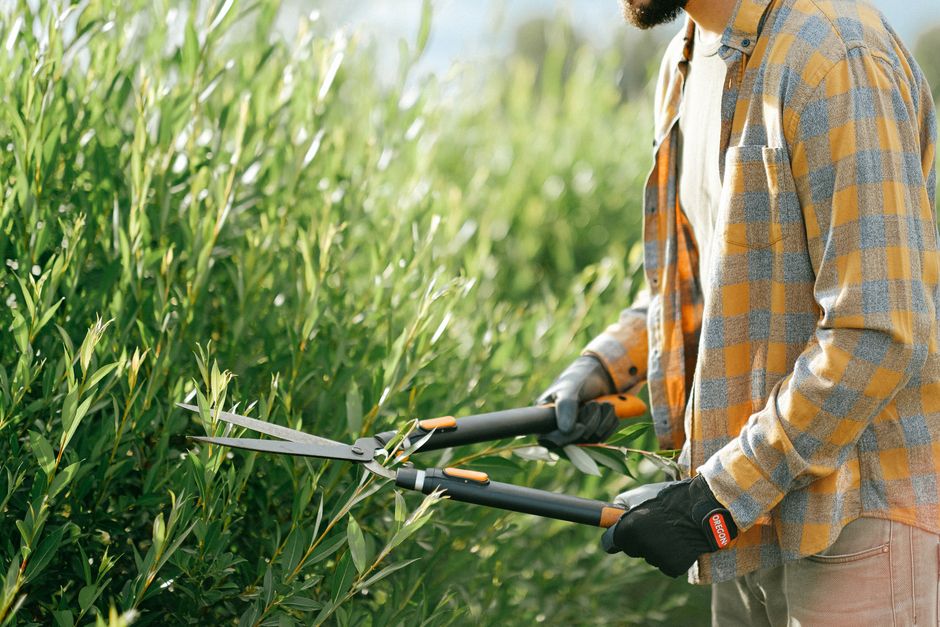
Newham Council rules for hedge cutting Plaistow: what to know before you trim
If you are planning hedge cutting in Plaistow, there is a lot more to think about than just getting a hedge to look neat again. The real question is whether the work is sensible, safe, and in line with what Newham Council would reasonably expect from residents and contractors. In practice, the phrase Newham Council rules for hedge cutting Plaistow what to know usually means understanding boundaries, neighbour issues, access, waste handling, wildlife timing, and whether a bigger garden job needs a more careful approach. Miss one of those pieces and a simple trim can turn into a complaint, a messy boundary dispute, or just a very frustrating afternoon.
This guide breaks it down in plain English. You will learn what matters, how hedge cutting typically works in a built-up London setting, where the common problems are, and how to handle the job without making life harder for yourself. To be fair, hedge work sounds straightforward until you are standing on a wobbly ladder with clippings falling everywhere and wondering if the branch you are about to cut belongs to you or next door.
- Why it matters in Plaistow
- How hedge cutting usually works
- Key benefits and practical advantages
- Who needs this guidance
- Step-by-step guidance
- Expert tips for better results
- Common mistakes to avoid
- Tools, resources and recommendations
- Law, compliance, standards and best practice
- Options and method comparison
- Real-world example
- Practical checklist
- Conclusion
- Frequently asked questions
Why Newham Council rules for hedge cutting Plaistow what to know Matters
Hedges are one of those garden features that quietly affect everything around them. They shape privacy, light, kerb appeal, and even how welcoming a property feels from the pavement. In Plaistow, where gardens can be compact and boundaries close together, hedge cutting is rarely just a gardening task. It often touches on neighbours, overhanging growth, front-garden visibility, and whether garden waste is handled properly.
That is why understanding local expectations matters. Newham Council rules, and the wider practical reality of living in an urban area, can affect when and how you cut, what happens to clippings, and how you manage growth near shared boundaries. Even where there is no dramatic legal issue, there may still be a civility issue. And those can be just as awkward. A hedge that leans a little too far over a pavement, or blocks light to a neighbour's window, can quickly become one of those small problems that feels strangely big.
There is also a safety angle. Overgrown hedges can hide broken branches, obscure sightlines near driveways, or create a slipping hazard when cuttings pile up on paths. If you are using a contractor, you want them to work cleanly and carefully, not drag half the shrubbery across a driveway and leave you to sort the aftermath. In our experience, the best hedge jobs are the ones people barely notice afterwards, except that the garden suddenly feels tidier and lighter.
For local homeowners and landlords, hedge cutting also matters because it affects upkeep. Regular hedge care supports a healthier garden overall and can reduce the need for bigger, more disruptive work later. If the hedge is part of a broader maintenance plan, it often makes sense to think about it alongside ongoing garden maintenance rather than treating it as a once-a-year panic job.
How Newham Council rules for hedge cutting Plaistow what to know Works
There is no single simple rule that covers every hedge in every Plaistow garden, and that is where people can get tripped up. The practical approach is to think in layers: ownership, permission, safety, waste, and timing. Start with the hedge itself. Is it wholly on your land? Is it on a boundary? Does it belong to you, your neighbour, or a shared arrangement? If you are not sure, do not guess. A quick conversation can save a lot of awkwardness later.
Next, think about what the work involves. A light shape-up of a domestic hedge is very different from major reduction, removal of dead wood, or dealing with a hedge tangled through fencing, trellis, or nearby trees. If the hedge is tall or awkwardly placed, the job may need specialist equipment or a more cautious plan. That is where professional hedge cutting services, such as hedge trimming, can make life simpler because the work is carried out with a proper process rather than a rushed guess.
Then there is the question of access. In a dense part of London, hedge work sometimes means working from the garden side only, carefully protecting patios, paths, and front access. A good crew will think about where clippings will fall, how to avoid damaging brickwork or fencing, and how to keep the site usable while the job is in progress. Sounds basic, but you would be surprised how often this is the difference between a decent experience and a day-long nuisance.
Finally, there is waste. Hedge cutting creates a lot of green waste very quickly. Branches, leaves, and trimmings need to be gathered, bagged, removed, or recycled responsibly. If you are planning a larger clearance job as well, it is often worth looking at garden clearance so the whole space can be dealt with in one visit instead of in stages.
Key Benefits and Practical Advantages
Hedge cutting done properly gives you more than a neat border. It improves the whole feel of the garden. Light comes in better. Paths feel less enclosed. The space looks intentional rather than untidy. And that matters, especially in a place like Plaistow where gardens often carry a lot of daily use in a relatively small footprint.
Here are the main benefits people usually notice:
- Better light and visibility - A trimmed hedge opens up the garden and makes the space feel larger.
- Improved kerb appeal - A tidy hedge gives the property a cared-for look from the street.
- Reduced neighbour friction - Keeping growth under control helps avoid complaints about encroachment or shade.
- Safer access - Clearer sightlines and cleaner paths reduce trip and snag hazards.
- Healthier growth - Regular, moderate cutting is usually better than waiting until the hedge becomes overgrown.
There is a practical benefit too: routine work tends to be cheaper and easier than dramatic remedial cutting. If a hedge has been left to run wild for two or three seasons, the job becomes slower, messier, and often harder on the plant. A steady maintenance rhythm is usually the kinder option. Not glamorous, but true.
If you want a broader tidy-up beyond hedges, services like lawn mowing and garden maintenance often work well alongside hedge work, because the garden tends to look balanced rather than half-finished.
Who This Is For and When It Makes Sense
This guidance is relevant to a few different people, not just homeowners with a row of formal hedges. In Plaistow, it can matter if you are a tenant with garden responsibilities, a landlord arranging maintenance, a homeowner with a boundary hedge, or a property manager trying to keep a frontage tidy without upsetting nearby residents.
It makes sense to pay attention if any of the following apply:
- The hedge overhangs a pavement, driveway, or neighbour's side.
- The hedge has grown too tall for safe DIY cutting.
- You have not cut it for a long time and it needs reshaping.
- You are planning other garden work and want the space cleared efficiently.
- There is a boundary or access concern that could lead to a dispute.
For some jobs, a simple seasonal trim is enough. For others, the hedge is part of a bigger external refresh. If that is the case, some people choose to combine it with broader work such as landscaping or even landscape gardening if the goal is a more complete garden redesign. Truth be told, once you start making one part of the garden look smart, the rest can look a bit tired by comparison.
Sometimes the hedge itself is not the only issue. If the work exposes dead branches, damaged stems, or a tree element mixed into the hedge line, a specialist approach may be needed. In those cases, tree lopping and removal may be relevant, but only where that extra level of work is genuinely required.
Step-by-Step Guidance
If you want to approach hedge cutting sensibly, here is a straightforward way to do it.
- Check ownership and boundaries. Confirm where the hedge sits and whether any section is shared or overhanging.
- Inspect the hedge from both sides. Look for dead sections, bird activity, hidden wire, or structural issues.
- Decide the scope. Are you shaping, reducing height, cutting back sides, or clearing the whole area?
- Choose the right timing. Pick a dry, calm day where possible. Wet leaves and gusty wind make clean cutting harder.
- Protect surfaces and nearby plants. Sheets, tarps, or a planned clearing zone make cleanup far easier.
- Cut in stages. Start lightly and step back often. Hedges can look very different once you have taken a little off.
- Remove waste promptly. Do not leave piles of cuttings blocking access or smothering lawns.
- Finish with a final check. Look for sharp stubs, uneven lines, and missed pockets of growth.
A small real-world note: the most common DIY mistake is cutting too much at once. People think they are just "neatening it up" and then suddenly the hedge looks patchy from the front room window. Step away. Look again. Then cut a bit more only if it genuinely needs it.
If the work is beyond what you want to manage yourself, a local service can be the calmer option. It may also be worth checking services overview and pricing and quotes if you are comparing options before booking anything.
Expert Tips for Better Results
Good hedge work is part planning, part patience. Here are the details that tend to separate a neat result from an average one.
- Trim to the hedge's natural line. Forcing a perfect shape on a hedge that has grown unevenly often looks artificial. Work with the plant, not against it.
- Keep the top slightly narrower than the base. This helps lower sections receive light. A hedge that is wider at the top can shade itself out.
- Use clean, sharp tools. Blunt blades tear growth rather than cut it. The hedge will look ragged for longer.
- Watch the weather. A breezy afternoon can throw clippings everywhere. Not ideal when you are trying to keep the patio clean.
- Think ahead to the next cut. The best hedge care is consistent, not dramatic. Smaller jobs done regularly are easier on both you and the hedge.
One more thing: if the hedge sits close to a fence, be gentle. You can damage the line of a boundary without noticing until later. And then you are in one of those "who knew a shrub could cause this much discussion?" situations. Nobody enjoys that conversation.
If safety is a concern, review a contractor's approach to equipment, access, and waste handling. A reliable team should be open about how they work, and their insurance and safety information should give you confidence that the basics are covered.
Common Mistakes to Avoid
Most hedge problems come from a handful of avoidable errors. The first is waiting too long. A neglected hedge often turns a tidy afternoon job into a heavy cut-back that looks brutal for weeks. The second is cutting without checking what is behind the foliage. Hidden nesting birds, cables, supporting ties, and old fencing wires can all create problems.
Another common mistake is ignoring neighbours. Even if you are fully within your rights to maintain your own hedge, a quick heads-up can prevent misunderstandings, especially if the work is noisy or involves shared access. A simple chat over the fence in the morning can save a frosty week. We have all seen it happen.
People also underestimate the amount of waste. Hedge cuttings are bulky and awkward, and bags fill faster than expected. If you have ever dragged a pile of damp clippings down a narrow side return, you know the feeling. Not fun, and not something you want to repeat unnecessarily.
Finally, do not rush the finishing touches. A hedge can look okay from a distance but still have jagged edges, protruding stems, or uneven height when you look properly. Give it that last careful pass. It matters more than people think.
Tools, Resources and Recommendations
The right tools depend on the size and condition of the hedge, but the principle is the same: use equipment that matches the job. For small domestic hedges, hand shears can be enough for shaping and detail work. For larger hedges, powered trimmers are usually more efficient, though they require more care. For high or awkward areas, a longer reach may be needed, and that is where professional help becomes sensible.
Beyond tools, the most useful resources are often practical rather than technical. Think of:
- a tape measure or visual marker if you want a uniform line
- tarps or sheets for easier cleanup
- sturdy gloves and eye protection
- a pruning saw for thicker woody sections
- proper bags or a collection plan for green waste
If your garden needs a fuller tidy after hedge work, it can be helpful to look at broader service pages such as garden clearance or recycling and sustainability so you have a better sense of how waste may be handled responsibly. That is especially useful if you are trying to keep the job efficient and less stressful.
And if you are simply exploring options, about us can help you understand the team behind the service before you decide to go ahead.
Law, Compliance, Standards and Best Practice
Because hedge cutting can touch on property boundaries, neighbour relations, and garden waste, it is sensible to treat it as a job with a few compliance and best-practice considerations. The exact position will depend on your property, the hedge location, and whether any local restrictions apply. This is one of those areas where careful wording matters: there may be council guidance, tenancy rules, boundary obligations, and general legal duties, but not every hedge requires the same formal process.
In plain terms, best practice usually means:
- confirming who owns or maintains the hedge
- avoiding damage to shared boundaries or neighbouring property
- keeping pavements and access routes clear
- disposing of green waste responsibly
- taking care around nesting birds and other wildlife
- using safe equipment and suitable working methods
If the hedge is near a road, driveway, or public footpath, it is worth being especially careful about visibility and obstruction. If the hedge is part of a rented property, the tenancy agreement may also affect who is responsible for maintenance. That part often gets overlooked, then everybody ends up passing the buck. A little boring, yes, but very useful to settle early.
When hedge work becomes more complex, professional support can help you stay on the right side of practical expectations without overcomplicating the job. A company that understands local garden conditions and safe working methods is usually the simplest route.
Options, Methods, or Comparison Table
There is no single correct way to deal with a hedge. The best method depends on the hedge size, how neat you want it to look, and whether access is straightforward. Here is a quick comparison that may help.
| Method | Best for | Advantages | Watch-outs |
|---|---|---|---|
| Hand trimming | Small hedges and detailed shaping | Precise, quiet, controlled | Slower for larger jobs |
| Powered trimming | Medium to large domestic hedges | Fast and efficient | Needs more skill and cleanup |
| Professional hedge service | High, dense, awkward, or overgrown hedges | Safer, tidier, less stress | Higher cost than DIY |
| Combined garden visit | Whole-garden refreshes | Good value and consistent finish | Needs a clearer scope before work starts |
For many Plaistow properties, the sweet spot is somewhere between a basic trim and a full garden overhaul. If the hedge is fine but the rest of the space feels cluttered, the better answer may be a combined visit rather than treating the hedge in isolation.
Case Study or Real-World Example
Imagine a typical Plaistow front garden: a medium hedge bordering the pavement, a small lawn, and a narrow side path. The hedge has been left for most of the season because life got in the way, which happens. By late summer, it is leaning slightly over the path and shading the front window more than it should. Nothing dramatic, just enough to feel a bit closed in.
The homeowner starts by checking the boundary and seeing that the hedge is clearly theirs to maintain. They then arrange the work for a dry morning, shift pots and bins out of the way, and ask the neighbour if they mind a brief trim from the shared side. The job is completed in stages: first the sides, then the top, then a careful tidy-up around the base. The clippings are bagged immediately so the path stays usable. It takes longer than a rushed cut, but the result is clean and calm.
That is the main point, really. Most hedge jobs do not need drama. They need a bit of preparation, a bit of restraint, and a clear finish. A well-handled trim can transform how a small London garden feels, especially when the light is low and the hedge no longer dominates the space.
Practical Checklist
Before you cut, run through this simple checklist.
- Have you confirmed the hedge boundary and ownership?
- Do you know whether the hedge is shared or overhanging?
- Have you checked for birds, nests, cables, or hidden supports?
- Is the weather suitable for safe and tidy work?
- Have you protected paths, patios, and nearby planting?
- Do you have a plan for clippings and green waste?
- Are your tools sharp, safe, and suitable for the hedge size?
- Have you allowed enough time to finish the job properly?
- Do you need a professional for height, access, or safety reasons?
Expert summary: In Plaistow, hedge cutting works best when it is planned as a tidy, low-drama maintenance task rather than a last-minute battle with overgrowth. Keep the boundary clear, the waste contained, and the finish neat, and you avoid most of the common headaches.
If you are comparing providers or want to understand the service approach before you commit, a quick look at services overview and contact us can help you move from research to a sensible next step. No pressure. Just a straightforward way to get the information you need.
Get a free quote today and see how much you can save.
Conclusion
Newham Council rules for hedge cutting Plaistow what to know comes down to a simple idea: do the work carefully, respectfully, and with the bigger picture in mind. Hedges affect privacy, safety, appearance, and neighbour relations, so a good result is about more than trimming greenery into shape. It is about keeping the garden healthy and the surrounding space easy to live with.
If your hedge is small and easy to manage, a careful DIY trim may be all you need. If it is tall, overgrown, or tied up with boundary questions, bringing in a local professional is often the calmer choice. Either way, the best outcomes usually come from steady maintenance, clear communication, and a decent plan. Simple, really. But simple done well is what keeps gardens looking good through the seasons.
And when the hedge is finally neat, the light comes back in, and the garden feels a bit more breathable, it is one of those small wins that quietly lifts the whole day.
Frequently Asked Questions
What do I need to know before cutting a hedge in Plaistow?
Start with ownership, boundary position, and whether the hedge affects a neighbour, pavement, or shared access. Then think about safety, waste, and timing. Those basics solve most problems before they start.
Can I cut back a hedge that hangs over my side of the boundary?
Usually, you can trim growth that is overhanging onto your side, but you should avoid damaging the hedge or crossing into property that is not yours. If the hedge is shared or disputed, talk first. That is the calmer route.
Do I need permission to trim my own hedge?
For a normal domestic hedge, you often do not need special permission, but there can be exceptions depending on ownership, tenancy, tree protection, or local restrictions. If the hedge is complex, check carefully before cutting.
Is there a best time of year for hedge cutting?
That depends on the hedge type and condition. For general maintenance, a dry and calm period is often easier for both the plant and the person doing the work. If wildlife may be present, be extra cautious and avoid rushing.
What should I do with hedge clippings?
Collect them promptly and dispose of them through a proper green waste route, composting system, or removal service. Leaving clippings on the path or lawn can make a mess fast, especially after rain.
How often should a hedge be trimmed?
Many hedges benefit from regular light trimming rather than occasional heavy cuts. The exact frequency depends on growth rate, species, and the look you want. If you wait too long, the job gets harder and less tidy.
What if my hedge is too tall to cut safely?
If you need ladders, have awkward access, or feel unsure about stability, bring in a professional. Safety is not something to gamble with, and honestly, hedges are not worth a fall.
Can hedge cutting damage the plant?
Yes, if too much is removed at once or if the cut is made poorly. Gentle, regular trimming is usually better than severe reduction. A hedge can recover, but it needs the right kind of care.
What if my neighbour complains about my hedge?
Stay calm and check whether the concern is about overhang, shade, access, or mess. In many cases, a careful trim and a polite conversation solve the issue. A little goodwill goes a long way.
Should I book hedge cutting with other garden work?
Often, yes. If the hedge is part of a garden that also needs tidying, combining it with maintenance, lawn care, or clearance can save time and create a better overall finish.
How do I choose between DIY and a professional service?
Choose DIY for small, accessible hedges where you are confident and have the right tools. Choose a professional when the hedge is high, overgrown, awkward, or tied to boundary or safety concerns. That is usually the sensible dividing line.
What is the biggest mistake people make with hedge cutting?
Waiting too long. After that, the usual problems are cutting too much, leaving waste behind, or ignoring neighbours. A little planning avoids most of the stress.