Gardening Plaistow — Recycling and Sustainability for Local Green Spaces
 At Gardening Plaistow our commitment to eco-friendly waste disposal area practices is central to cultivating healthier community gardens and reducing landfill. This page explains how our recycling and sustainability programme supports local allotments, planters and communal beds. We promote an integrated approach to waste that treats garden refuse as a resource: compostable materials are returned to soil, reusable items are diverted to partners, and mixed recyclables are carefully separated.
Our targets are bold: we have set a recycling percentage target of 65% for all gardening-related waste by 2030. Achieving this relies on clear onsite bins, community education, and coordinated collection logistics. The program emphasises an eco-friendly waste disposal area in every green space we manage, and encourages residents to adopt simple sorting behaviours that align with the wider borough approach to waste separation.
 The borough's approach to waste separation — paper, card, glass, mixed plastics, metals, food and garden organics — shapes how our sustainable rubbish gardening area operates. Materials are prepared on site to minimise contamination: compost piles accept only approved garden and kitchen waste, while bulky timber and broken pots are evaluated for repair, reuse, or controlled recycling. We coordinate collections to leave the least possible residue for transfer, routing items to local transfer stations and civic amenity sites for final processing.
How the Sustainable Rubbish Gardening Area Works
Each gardening plot incorporates a simple, robust sorting station: a food-waste caddy, a green waste bay, a small skip for clean timber, and a recycling point for cans, glass and plastics. These stations are designed to be low-tech but high-impact, and they are placed where volunteers naturally gather to encourage correct use. Gardening Plaistow recycling practices reduce haulage and lower contamination, improving the value and usability of separated streams. We partner with charities and community organisations to extend the life of items that would otherwise be thrown away. Strategic partnerships create a circular local economy and keep useful materials in use rather than sending them to disposal. Key collaborative activities include:
- Reuse and redistribution — donations of pots, tools and seed trays to community reuse centres.
- Compost redistribution — mature compost shared with local charities and food-growing projects.
- Textile and small electrical collection — targeted drives in partnership with local reuse charities.
These relationships are essential to our sustainable gardening in Plaistow vision: they provide social value, reduce waste, and support community groups with low-cost materials.
Logistics: Low-Carbon Vans and Transfer Stations
To make the eco-friendly waste disposal area practical at scale, our collection fleet includes low-carbon vans and electric cargo vehicles on regular routes. Using low-carbon vans reduces emissions from collection rounds and complements the borough's climate goals. Route planning focuses on payload efficiency, consolidated pickups, and charging schedules that prioritise low-emission windows.We work closely with local transfer stations and civic amenity hubs that accept separated streams. Materials from gardens are taken to regional transfer facilities where further sorting and processing takes place. By aligning our collection times with transfer station capacity we reduce waiting times and double-handling, and ensure that compostable and recyclable fractions are routed to the correct processing plants.
Our ongoing fleet decarbonisation plan includes:
- Incremental replacement of diesel vans with electric or plug-in hybrid vehicles.
- Shared charging infrastructure at major gardening hubs.
- Driver training focused on eco-driving and on-site materials handling to reduce energy use.
Community participation is the linchpin of success. We ask gardeners to support the recycling and sustainability goals by keeping waste streams clean, removing contaminants from recycling bags and using the correct bins for organic matter. Simple actions — rinsing containers, flattening cardboard, and separating food waste — have an outsized impact on local recycling performance and help the borough meet its waste separation standards.
 The programme is structured around transparent targets and measurable progress. Our public goal of a 65% recycling rate by 2030 is backed by quarterly monitoring: tonnes diverted, compost produced, and items repaired or reused via charity partnerships are tracked and reported internally to ensure continuous improvement. This creates a feedback loop where success in our sustainable rubbish gardening area directly informs better collection and education activities.
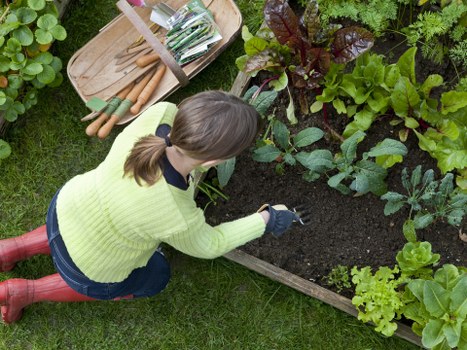 In practice, small wins add up: reused benches, redistributed soil improvers, and locally made compost reduce purchasing needs and reduce embodied carbon. Gardening Plaistow aims to be a living example of how neighbourhood green spaces can be both productive and low-impact, turning what was once rubbish into a resource and keeping materials circulating within the community economy.
Gardening Plaistow believes that well-designed, community-led recycling and sustainability systems create resilient, attractive and low-carbon neighbourhoods. By prioritising an eco-friendly waste disposal area, partnering with charities, using low-carbon vans, and working with transfer stations, we make sustainable gardening practical and rewarding for everyone involved.