Health and Safety Policy for Gardening Plaistow
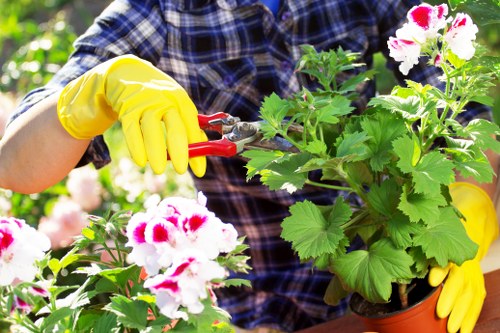 Gardening Plaistow is committed to providing safe, sustainable and professional garden services across our service area. This Health and Safety Policy sets out the standards, responsibilities and practical controls we use to protect staff, clients and the public while delivering landscaping, maintenance and horticultural work. The policy applies to all work activities, whether routine garden maintenance, tree works, soft landscaping or seasonal projects carried out by our Plaistow gardening teams.
Scope and Responsibilities
All employees, contractors and sub-contractors engaged by Gardening Plaistow must follow this policy. Management will ensure adequate resources and training are provided. Supervisors are responsible for day-to-day implementation; operatives are expected to follow safe systems and report hazards. Clients and site visitors should be made aware of hazards while work is in progress. This policy covers both private and communal gardens within our operational area and sets out clear lines of responsibility.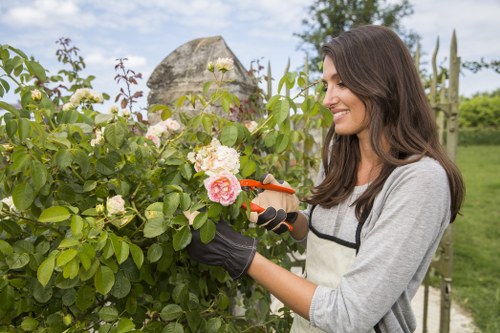 Risk assessment is the foundation of our approach. Before any task starts, a documented assessment identifies hazards, evaluates risk and records control measures. Typical hazards include uneven ground, the use of power tools, working at height, falling branches, hazardous substances and vehicle movements. We use dynamic risk assessments to capture changing site conditions and make adjustments. All risk assessments are retained as part of our safety records.
Training and competence are essential to safe gardening operations. Gardening Plaistow provides induction training for new staff, job-specific instruction, and refresher sessions. Training covers machinery operation, manual handling, pesticide awareness, electrical safety, lone working and first aid. Competence is assessed and documented; only trained personnel operate chainsaws, mowers, chippers and elevated platforms. We maintain a training matrix to ensure each team member holds the necessary qualifications for their role.
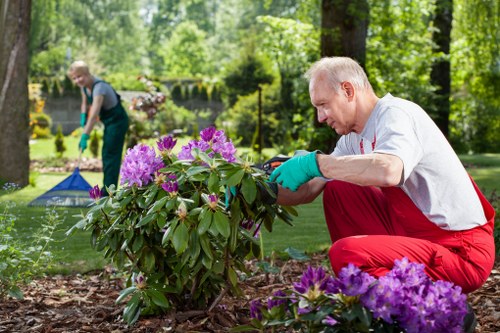
Personal protective equipment is provided and must be used where required. Our PPE policy includes high-visibility clothing, safety boots, gloves, eye and ear protection, chainsaw trousers and helmets where appropriate. PPE is inspected regularly and replaced when worn or damaged. Employees are trained in correct fit and use. We promote appropriate clothing for weather conditions and advise on hydration and sun protection during hot periods.
Equipment, machinery and tool safety
The safe use of machines and hand tools is controlled by maintenance schedules, pre-use checks and safe operating procedures. Portable electrical equipment is PAT tested, combustion-engine tools are serviced, and guarding is maintained. Safe systems include exclusion zones for high-risk tasks, lock-off procedures for noisy/complex equipment, and clear signage. Tools are stored securely to prevent access by the public, and operators report defects immediately.Control of hazardous substances is managed through COSHH-style assessments and manufacturer instructions. Fertilisers, pesticides, fuels and cleaning agents are stored securely in labelled containers with appropriate spill kits available. Only licensed or trained staff use pesticides and herbicides, and applications are documented to minimise environmental impact. Waste handling, including green waste and contaminated materials, follows safe segregation and disposal practices.
Traffic management and site access are planned to reduce risk. Vehicle movements are controlled with banksmen, designated loading zones and clear pedestrian routes. Mobile machinery is driven at safe speeds with adequate sightlines. When working on or adjacent to public walkways or roads, we implement barriers, signage and temporary traffic controls as necessary to protect the public and our crews.
Working near utilities, boundaries and other third-party structures requires prior checks and, where necessary, permits or notifications. We maintain awareness of underground services using available plans and detection tools. Where work involves client-owned structures, fences or boundaries, we communicate risks and responsibilities, documenting agreements about access, protective measures and reinstatement.
Incident reporting, first aid and emergency procedures are clearly defined. Every team carries a mobile phone, first aid kit and an emergency plan for their site. All incidents, near misses and unsafe conditions are reported immediately and investigated to prevent recurrence. First aiders are available among staff, and major incidents are escalated to management for swift action and documentation. We carry out regular emergency drills to test readiness.
Monitoring, inspections and record keeping ensure the policy is effective. Routine site inspections, tool and vehicle checklists, training records and risk assessments are maintained electronically and reviewed. Management performs periodic audits and takes corrective action where gaps are identified. We encourage staff to raise safety observations and participate in toolbox talks to maintain awareness and continuous improvement.
 Business continuity and wellbeing measures support safe operations during adverse weather, seasonal peaks or staff shortages. We plan workloads to prevent excessive hours and fatigue, provide mental health awareness resources, and adapt working methods during extreme conditions. This approach protects both the health of employees and the quality of gardening services across the Plaistow area and surrounding neighbourhoods.
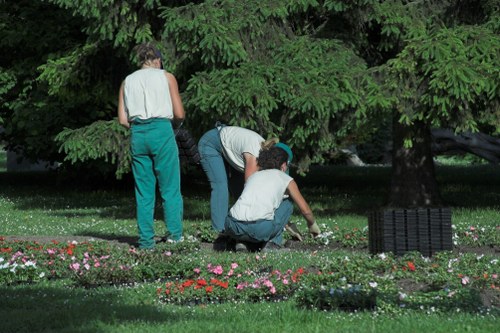 Policy review and commitment — Gardening Plaistow management will review this Health and Safety Policy annually or following significant changes to operations, legislation or after any serious incident. The company is committed to continuous improvement and will consult staff when developing procedures. All personnel are expected to support and comply with this policy to achieve our collective goal of delivering safe, professional and reliable garden services.