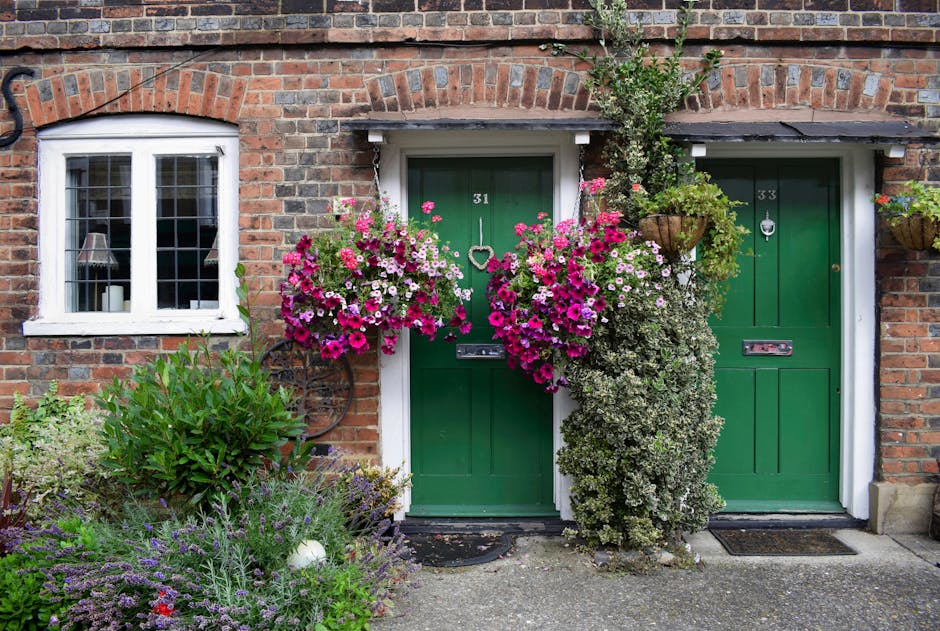
Plaistow station area gardeners rated for small front gardens
If you live near Plaistow station and your front garden is more "narrow strip with big expectations" than grand suburban entrance, you already know the challenge. A small front garden has to work hard: it should look neat, welcome visitors, handle foot traffic, and still feel like a proper bit of green space. That is exactly where Plaistow station area gardeners rated for small front gardens earn their keep. The right gardener will understand tight access, quick tidy-ups, low-maintenance planting, and the reality of London weather battering everything by midweek. This guide breaks down what to look for, how the service works, and how to choose well without overcomplicating it.
There is a big difference between a gardener who can mow a lawn and one who can make a compact front plot look intentional. Truth be told, that difference shows in the first five minutes.
Table of Contents
- Why it matters for small front gardens
- How the service works
- Key benefits and practical advantages
- Who this is for and when it makes sense
- Step-by-step guidance
- Expert tips for better results
- Common mistakes to avoid
- Tools, resources and recommendations
- Law, compliance, standards, and best practice
- Options, methods, and comparison table
- Case study or real-world example
- Practical checklist
- Conclusion
- Frequently asked questions
Why Plaistow station area gardeners rated for small front gardens Matters
Small front gardens are unforgiving in the best possible way. Every edge shows. Every weed looks larger than it is. A slightly uneven line of paving or a hedge that has grown a bit too confident can make the whole entrance feel tired. In a busy local area like Plaistow station, where homes often sit close to the pavement and the front space is limited, a tidy front garden does more than improve appearance. It changes the feel of the whole property.
That is why local ratings matter. If gardeners are consistently rated well for small front gardens, it usually signals something beyond basic competence. It suggests they can work neatly, finish the small details, and respect the practical limits of compact spaces. A good front-garden gardener should be able to balance visual order with real-life function. Not every garden needs a full redesign. Sometimes the job is simply to make a small space look cared for, week after week.
This also matters because small front gardens are easy to damage if the work is rushed. Heavy foot traffic can compact the soil. Over-pruning can leave awkward gaps. A one-size-fits-all approach often looks fine for a day, then falls apart. The better-rated local gardeners tend to understand that a front garden near the station needs regular, reliable attention rather than dramatic interventions.
Expert summary: For compact front gardens, the best results usually come from gardeners who combine neat finishing, practical planting choices, and a maintenance plan that matches the space rather than fighting it.
If you want a broader view of what a well-organised local service should cover, the services overview is a sensible place to start.
How Plaistow station area gardeners rated for small front gardens Works
In practice, rated gardeners for small front gardens usually work in a few clear stages. First comes the walk-through. The gardener looks at the front path, access points, soil condition, drainage, sunlight, and what is already growing. In a small garden, those details matter more than they would in a larger plot because there is nowhere for poor planning to hide.
Then comes the tidy logic. Most front gardens near station areas need a mix of edging, pruning, waste removal, and sometimes a rethink of planting. The gardener may suggest lower-maintenance shrubs, slimmer planting beds, or a simpler layout that keeps the front entrance open and neat. Sometimes a decent cut-back is enough. Other times the garden has become cluttered with tired growth, and a proper reset is needed.
The best rated providers are also realistic about timing. Small front gardens are often faster to improve than back gardens, but they still need careful work. A rushed half-hour job can leave straggly edges and uneven visibility, which is not much use. On the other hand, a good gardener will finish in a tidy, deliberate way and leave the space looking balanced.
There is also a difference between one-off work and regular maintenance. Many front gardens do better with repeat visits, especially if hedges, lawn edges, or self-seeding plants keep reappearing. That is where local services such as garden maintenance and lawn mowing can be useful, depending on what your front space actually needs. A tiny front lawn, for example, can look spotless with the right cut pattern and border edging. Small thing. Big impact.
Key Benefits and Practical Advantages
There are plenty of reasons people look for highly rated gardeners in the Plaistow station area, but the practical benefits are the real selling point. A small front garden can improve kerb appeal, create a calmer arrival to the home, and make everyday upkeep much less stressful. You open the door and it looks like someone cares. Simple as that.
- Better first impressions: a neat front garden sets the tone before anyone even rings the bell.
- Lower ongoing effort: the right layout reduces the amount of tidying you need to do yourself.
- Smarter use of space: compact planting, tidy borders, and clean lines make small areas feel larger.
- Safer access: clear paths and controlled growth reduce trip hazards and awkward movement.
- Seasonal resilience: well-chosen plants and regular maintenance hold up better through wet and windy weather.
- Less waste: tidy cutting and planned clearance mean you are not constantly battling overgrowth.
A well-rated gardener also tends to save money in less obvious ways. Not by being the cheapest, necessarily, but by preventing repeated problems. Overgrown hedges, blocked edges, or neglected soil often become more expensive to fix later. Small front gardens do not forgive delay. Leave them alone for too long and the whole thing becomes a Saturday project you did not want.
Where tidying has turned into full removal, a service such as garden clearance can help reset the space before a simpler scheme is put back in place.
Who This Is For and When It Makes Sense
This kind of service makes sense for a few common situations. If you are a homeowner who wants the front of the house to look smart without spending every weekend on it, it is a natural fit. If you are renting and the landlord expects the frontage to be kept in shape, it can save a lot of back-and-forth later. And if you are preparing to sell or let a property, the front garden often becomes one of the cheapest ways to improve presentation quickly.
It also makes sense if your garden is awkwardly shaped. Many front gardens around station areas are narrow, shallow, or partially paved. That means the work has to be careful rather than brute-force. A gardener who understands compact layouts can improve the space without making it feel overdone. No wild drama. No strange oversized planters eating the path. Just a clean, tidy result.
You might not need this if your front garden is already simple and you are comfortable keeping it that way yourself. But if you keep finding that weeds return, hedges spill over, or the space looks messy almost immediately after you tidy it, a rated local gardener is probably worth it. To be fair, some gardens are just more work than they first look.
Step-by-Step Guidance
If you are thinking about hiring someone for a small front garden near Plaistow station, this simple process keeps things sensible.
- Start with the real problem. Is it weeds, overgrowth, patchy grass, poor edging, or simply a layout that feels cramped?
- Measure the space roughly. You do not need an architectural plan, just a feel for access, width, and what needs to be moved.
- Decide whether you want tidy-up work or a redesign. A lot of people only need maintenance, not landscaping.
- Ask what is included. Will the gardener edge, prune, clear waste, and sweep down paths? These details matter.
- Check how they handle small spaces. Good gardeners plan cuts and movement carefully so plants, walls, and windows stay protected.
- Ask about follow-up visits. For compact front gardens, regular maintenance often gives the best long-term result.
- Make sure pricing is clear. Even a small job can vary depending on access, waste, and the condition of the garden.
If your front garden includes awkward shrubs or trees close to the property, it is sensible to ask whether broader work such as hedge trimming or tree lopping and removal is needed. Small spaces often need that judgment call. One overgrown branch can change the whole light level, and suddenly the porch feels gloomy at 3pm. Happens more than you think.
Here is the practical order many experienced gardeners follow:
- clear loose debris first
- trim back anything obstructing paths or windows
- shape the edges and borders
- deal with weeds and surface mess
- check the balance of the space from the pavement side
- finish with a sweep and waste removal
That last step sounds small. It is not small. A front garden can be technically tidy and still look unfinished if the final sweep is skipped.
Expert Tips for Better Results
Small front gardens tend to look best when the design is restrained. That does not mean boring. It means every decision has to earn its place. In our experience, the most successful front spaces near Plaistow station are usually the ones with clear structure, modest planting, and very little visual noise.
Try these practical tips:
- Use fewer plant varieties. Repeating two or three types often looks more deliberate than a crowded mix.
- Keep edges crisp. Clean borders do more for a small garden than most decorative extras.
- Leave breathing room. A cramped front entrance feels messy even when the plants are healthy.
- Choose plants that suit the light. Shade, partial sun, and full sun all need different choices. Guessing rarely ends well.
- Think about the view from inside. A garden should look good from the front room as well as from the pavement.
- Plan for maintenance, not just appearance. If it looks great only when freshly done, it is too complicated.
A useful rule of thumb: if a feature creates more trimming, sweeping, or watering than you are willing to do, it is probably too much for a small front garden. That sounds blunt, but it saves grief later.
For ongoing upkeep, many property owners prefer a straightforward maintenance plan rather than one-off rescue visits. That is where garden maintenance becomes more valuable than a dramatic overhaul. Consistency beats panic. Nearly every time.
Common Mistakes to Avoid
People make the same handful of mistakes with small front gardens, and most of them are understandable. The trouble is that small spaces amplify them.
- Overplanting: too many plants make the garden feel tighter, not fuller.
- Ignoring access: if the gardener cannot move easily, the finish will suffer.
- Choosing high-maintenance features: fancy layouts can become a chore very quickly.
- Letting hedges drift: once a hedge gets broad, it steals space and light.
- Skipping waste removal: piles of clippings make a front garden look unfinished for days.
- Assuming all gardeners are suited to small plots: they are not. Some are brilliant on large gardens and less nimble in tight ones.
Another subtle mistake is trying to make a small front garden do too many jobs. A bit of display, a bit of privacy, a bit of storage, a bit of wildlife value, a bit of everything. Before long, it becomes clutter with opinions. Better to decide what the space is mainly for, and let that shape the work.
And yes, even the nicest-looking front garden can go sideways if the edging is left crooked. It happens. A lot. People notice that sort of thing more than they admit.
Tools, Resources and Recommendations
You do not need a van full of kit to maintain a small front garden, but the right tools make the job cleaner and faster. Professional gardeners usually work with a compact set of trusted tools rather than bulky equipment. That is one reason they can move efficiently in narrow front spaces.
Useful tools and materials often include:
- hand shears for fine trimming
- lightweight hedge cutters for neat shaping
- edging tools for borders and paths
- hand forks and trowels for weed control
- rakes and brooms for final clearing
- mulch or gravel where suitable for low-maintenance finish
If you are planning a larger refresh, it can help to look at whether the frontage needs landscaping rather than just routine care. A small paved strip, a shallow border, and a couple of hardy shrubs might be enough. In other cases, a more structured layout makes the space easier to live with. The right answer depends on how you use the front of the property, not on trends.
You may also want to check the service mix available through a local provider's services overview and compare it with any practical needs you have now, not six months from now. That part gets overlooked. People often buy for the garden they wish they had, not the one they actually maintain.
For specialist transformation work, landscape gardening and landscaping can be relevant if the front area needs structural change rather than just a tidy-up.
Law, Compliance, Standards, and Best Practice
For most small front garden work, the main compliance issues are practical rather than dramatic. Gardeners should work safely, respect boundaries, and avoid causing damage to shared or neighbouring areas. In a built-up London setting, that means being careful with waste, noise, access, and any trimming that affects a public path or boundary line.
Good practice usually includes:
- working with care around paving, steps, fences, and walls
- disposing of green waste responsibly
- keeping tools and materials out of public walkways
- using suitable protective equipment
- being clear about what is owned by the property owner and what is shared
- avoiding unnecessary disturbance to neighbours
If you are comparing providers, it is sensible to look for clear information on safety and insurance. That is not just box-ticking. It helps you understand how the business operates and how seriously they take site care. A transparent provider will usually explain this in plain language, often alongside an insurance and safety page and a health and safety policy. That sort of clarity is reassuring, especially when work involves ladders, cutting tools, or access near doors and paths.
Environmental care also matters. Responsible disposal and recycling are becoming standard expectations rather than a nice extra, especially where frequent pruning or clearance produces a lot of green waste. If sustainability is important to you, look for a provider that explains its approach clearly on a recycling and sustainability page.
There is no need to make the process more formal than it is, but a little attention to safety, waste handling, and communication goes a long way. A front garden job should leave the property better, not create another small headache.
Options, Methods, and Comparison Table
Not every small front garden needs the same type of help. Some only need regular mowing and edging. Others need a proper reset. The table below gives a simple way to think about the main options.
| Approach | Best for | Main strengths | Watch out for |
|---|---|---|---|
| Basic tidy-up | Light overgrowth, messy borders, routine care | Quick, affordable, good for small improvements | May not solve deeper layout problems |
| Regular maintenance | Front gardens that need ongoing control | Keeps the space consistently neat, easier to budget for | Requires repeat visits and some planning |
| Clearance and reset | Overgrown or neglected fronts | Removes clutter and gives a clean starting point | Can feel more disruptive at first |
| Landscaping refresh | Spaces that need structure or a new layout | Improves function and long-term usability | Usually needs more thought, time, and budget |
For a lot of homes near Plaistow station, the sweet spot is a mix of tidy-up work followed by routine upkeep. That keeps the front looking cared for without turning every visit into a project. If a hedge is the main issue, then hedge-specific work is often the cleanest route. If the whole space has got away from you, start with clearance, then rebuild the routine.
Case Study or Real-World Example
Picture a typical small front garden near the station: a narrow paved path, a shallow border, one hedge that has drifted slightly over the pavement, and a patchy strip of lawn or mixed planting by the steps. Nothing dramatic. But enough to make the entrance feel cluttered.
A well-rated local gardener would usually begin by clearing the path edges and reducing the hedge back to a sensible line. The next step might be to remove weeds from the border, tidy any dead growth, and define the boundary between planting and paving. If the lawn area is more trouble than it is worth, it might be simplified into a neater border or easier-to-maintain surface. The aim is not to impress with complexity. It is to make the front easy to live with.
In one common scenario, the homeowner wants the garden to look better for guests and deliveries but does not want constant upkeep. The gardener keeps the plant palette simple, trims the structure cleanly, and leaves enough open space so the entrance feels brighter. The whole place reads as "looked after" rather than "recently attacked with shears." That's the sweet spot, really.
If the result is successful, you usually notice it in ordinary moments: the gate opens more easily, the postman has a clear line to the door, and the front of the property stops feeling like a job waiting to happen.
Practical Checklist
Use this checklist before you book or brief a gardener for a small front garden near Plaistow station:
- Is the main issue tidying, clearance, maintenance, or redesign?
- Do you know roughly how much access space there is?
- Are there any overgrown hedges, shrubs, or branches to mention?
- Do you want a one-off visit or regular upkeep?
- Has waste removal been discussed clearly?
- Do you want the garden to feel more open, more private, or just neater?
- Is the lighting or drainage affecting planting choices?
- Have you checked whether safety and insurance information is available?
- Do you want low-maintenance planting going forward?
- Have you compared the work to your budget and timeline?
Quick takeaway: the best gardener for a small front garden is usually the one who understands restraint, detail, and ongoing upkeep. Fancy is optional. Neat is not.
Conclusion
Plaistow station area gardeners rated for small front gardens are worth looking for because small spaces demand precision, not just enthusiasm. A compact front garden can make a home feel brighter, safer, and more welcoming, but only if the work matches the scale of the space. The right gardener will help you simplify the layout, keep growth under control, and make the frontage easy to maintain over time.
If you take one thing from this guide, let it be this: in a small front garden, the best result is rarely the flashiest one. It is the one that still looks good on a damp Thursday morning when the bins are out and the light is flat. That is the real test.
If you are comparing local options, it can also help to learn more about the team behind the work through the about us page, and to review the practical details on pricing and quotes before you make a decision.
Get a free quote today and see how much you can save.
And if you do nothing else this month, at least get the front edge straight. It changes more than people expect.
Frequently Asked Questions
What makes a gardener well rated for a small front garden?
Usually it is a mix of neat finishing, reliable communication, sensible pruning, and the ability to work cleanly in a tight space. Small front gardens show mistakes quickly, so ratings often reflect detail as much as speed.
Do small front gardens need regular maintenance?
Often, yes. Even a very small space can become untidy quickly, especially if hedges, weeds, or lawn edges are involved. Regular visits usually keep the work lighter and more predictable.
Can a small front garden be made low maintenance?
Yes. The usual approach is to simplify planting, reduce high-maintenance features, and keep clear borders and access. Low-maintenance does not mean no maintenance, but it can dramatically cut the workload.
Is garden clearance useful before improving a front garden?
Definitely, if the space has become cluttered or overgrown. Clearance creates a clean starting point, which makes it much easier to plan a practical layout or maintenance routine.
What should I ask before booking a gardener?
Ask what is included, how waste is handled, whether they are used to small spaces, and whether the quote covers edging, trimming, and sweeping up. Those details matter more than many people realise.
How do I know if I need landscaping rather than basic gardening?
If the layout itself is the problem, or if you want to change the structure of the front garden, landscaping may be more appropriate. If the space just needs tidying and upkeep, gardening or maintenance work is usually enough.
What is the biggest mistake people make with small front gardens?
Overcrowding. Too many plants, too many features, or too many competing ideas can make a small front area feel cramped and messy. Less often works better.
Are hedge trimming and lawn mowing enough for a small front garden?
Sometimes they are, especially if the garden is already fairly well set up. But many front gardens also need edging, weed control, and a proper tidy after cutting.
Should I choose a one-off visit or ongoing maintenance?
If the garden tends to overgrow quickly, ongoing maintenance is usually the calmer option. A one-off visit is fine for a reset, but repeat care keeps the result looking intentional.
Why does safety and insurance matter for a small garden job?
Even small jobs can involve tools, ladders, pruning, and waste handling near paths or entrances. Clear safety and insurance information gives you confidence that the work is being managed responsibly.
How long does a small front garden tidy-up usually take?
It varies depending on condition and access, but a tidy-up is normally much quicker than a full redesign. The more overgrowth or waste involved, the longer it takes. A neat finish should never be rushed, though.
Can I improve a small front garden on a modest budget?
Yes. In many cases, the biggest gains come from trimming, clearing, edging, and simplifying what is already there. You do not always need a major rebuild to make a visible difference.