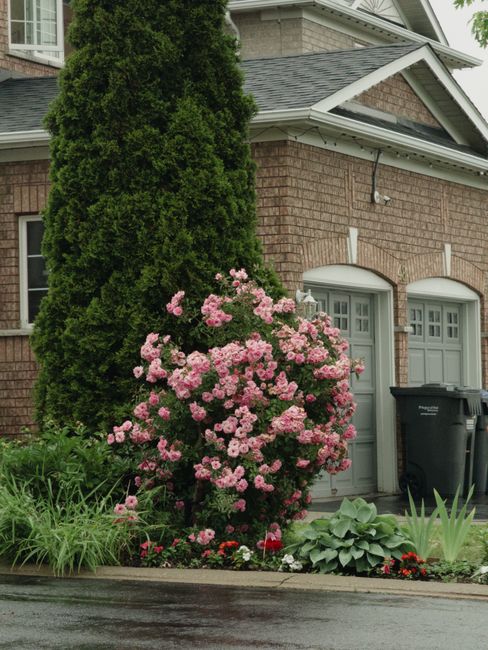
Trusted gardeners Plaistow Broadway for small front yards
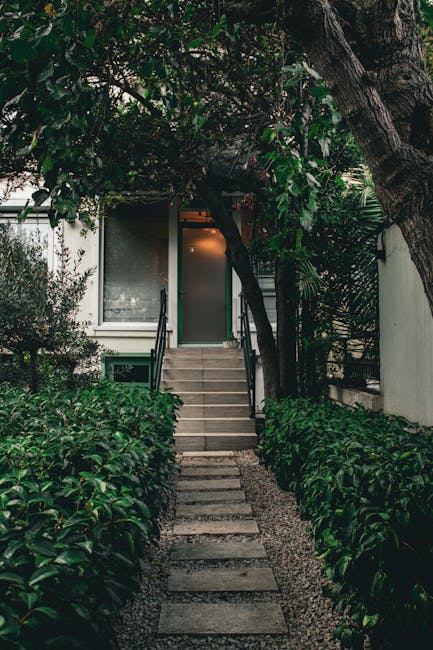
Small front yards can make a bigger impression than people expect. They are the bit of your home that faces the street first, the place where muddy shoes, overflowing bins, and patchy planting either say "well cared for" or, truth be told, "we've not got round to it yet." If you are looking for trusted gardeners Plaistow Broadway for small front yards, you probably want more than a quick mow. You want someone who understands limited space, local conditions, and the practical realities of keeping a front garden tidy without making it look stripped bare.
This guide walks through what trusted local gardening support should include, how the process usually works, what to watch for, and how to get the most from a small front yard in Plaistow Broadway. It is written for homeowners, landlords, and anyone who wants a neat, usable frontage that feels cared for rather than overworked. Small spaces need a slightly different touch. Less brute force, more judgement.
Why Trusted gardeners Plaistow Broadway for small front yards Matters
A small front yard can be deceptively tricky. There is less room for error, fewer places to hide untidy edges, and usually more foot traffic than a back garden. If a border is overgrown by even a little, it can suddenly block the path or make the whole frontage look crowded. A trusted gardener brings consistency, care, and a sense of proportion. That last one matters more than people think.
In Plaistow Broadway, front gardens often need to do several jobs at once: improve kerb appeal, stay easy to walk through, cope with shade from nearby buildings or fences, and still look good in wet weather. A skilled gardener understands that a small yard is not just a "tiny version" of a larger garden. It needs a different strategy. Compact planting, sensible maintenance, and clean lines usually beat complicated ideas every time.
Trust also matters because front gardens are visible. You are not only paying for the task; you are inviting someone to work right outside your home, sometimes while you are at work or busy with family life. That means reliability, respectful behaviour, clear pricing, and proper care of tools and waste are all part of the service. Let's face it, nobody wants a half-finished front garden and a mystery pile of clippings left behind.
A good local gardener should also understand what is realistic. For example, if your front yard has compacted soil, a narrow boundary bed, or a tired patch of lawn, the first visit may be about restoring order before any planting changes happen. That honesty is a good sign. It usually means the gardener is thinking long term, not just trying to make the place look tidy for a day or two.
How Trusted gardeners Plaistow Broadway for small front yards Works
The process normally begins with a look at what is already there. A proper front-yard visit is not just "how much grass needs cutting." It is more like a quick assessment of access, light, drainage, weeds, edging, plant health, path safety, and how much ongoing care you actually want. A tidy space with one or two robust features often works better than a crowded little jungle of pots, shrubs, and random extras.
From there, the gardener will usually suggest a maintenance pattern. For some homes that means weekly or fortnightly mowing, edging, and light pruning. For others it may be a monthly tidy-up with seasonal planting and occasional deeper work. If the yard has low-maintenance planting, the attention shifts towards trimming, mulching, sweeping, and keeping the structure clear. Small spaces benefit from regular attention because the difference between neat and messy can happen fast. One windy week and suddenly the whole place looks untidy. Happens all the time.
If there is scope for improvement, the gardener may recommend light redesign as part of the plan. That could include replacing a patchy lawn with gravel and planting, reshaping a border so the path feels wider, or choosing compact shrubs that will not swallow the frontage in six months. This is where local know-how helps. A trusted gardener can judge what will actually thrive, not just what looks good in a catalogue or on a phone screen at 11pm.
Many homeowners also like to know how waste is handled. A professional service should explain whether green waste is removed, composted, or taken away for recycling in line with the business's normal practice. If that detail is vague, ask. Clear answers here are a strong trust signal. It saves awkward surprises later.
Key Benefits and Practical Advantages
There are obvious benefits, and then there are the ones that only become clear once the work is underway. The obvious one is presentation. A neat front yard makes the whole house feel more welcoming. It can also make day-to-day life easier because there are fewer trip hazards, less overgrowth brushing the path, and less last-minute panic when visitors are due.
Another benefit is saving time. Small front yards sound easy until you add weeds, self-seeding plants, moss, uneven edging, and seasonal trimming. A trusted gardener handles those little jobs before they spiral. That means you spend less time doing emergency tidying and more time simply enjoying a clean frontage.
There is also a practical comfort factor. In a compact garden, every decision matters. The right plant can soften a hard wall, give privacy without blocking light, and stay manageable through the year. The wrong plant can become a weekly battle. A sensible gardener helps you avoid the battle in the first place.
Here is a simple way to think about it:
- Better kerb appeal: the property looks cared for from the street.
- Less ongoing effort: small, regular maintenance prevents bigger jobs.
- Safer access: paths stay clear and surfaces are easier to use.
- Smarter use of space: every plant and feature has a job to do.
- More predictable costs: regular care often avoids larger remedial work later.
There is a quieter benefit too: confidence. You know the front of your home is being looked after properly, even during the messier months. Rain, wind, pollen, fallen leaves, bin day chaos-small spaces show everything. A steady maintenance rhythm keeps that under control.
Who This Is For and When It Makes Sense
This service makes sense for a wide range of people, but it is especially useful if your front yard is small, visible, and hard to keep up with using DIY tools alone. If you only have a narrow strip of lawn, a short path with beds on either side, or a frontage that gets cluttered quickly, a trusted gardener can make a big difference without overcomplicating it.
It is a strong fit for:
- busy homeowners who want a neat frontage without weekend catch-up jobs;
- landlords trying to present a property well between tenancies;
- older residents who prefer reliable help with bending, lifting, and regular maintenance;
- new homeowners who want to tame an overgrown front space;
- anyone who wants a cleaner, more polished street-facing garden.
It also makes sense if your current setup no longer matches how you live. Maybe the lawn is more trouble than it is worth. Maybe the border plants have grown too large. Maybe you just want something smarter and easier to manage. A small front yard is often a good candidate for simplification rather than decoration for decoration's sake.
A sensible local gardener can also help if you are unsure whether to maintain, reduce, or redesign the space. That is a common crossroads. You do not always need a big landscaping project. Sometimes you just need better structure, cleaner edges, and a plan you can keep up with. Simple, but done properly.
Step-by-Step Guidance
If you are approaching the job for the first time, it helps to think in stages. Good gardening is rarely random, even if the results look effortless.
- Assess the space honestly. Look at what is working and what is not. Is the problem the lawn, the weeds, the edging, or the overall layout? Small yards punish vague plans.
- Decide what you want the front garden to do. Do you want neatness only, more planting interest, low maintenance, or a better entrance? If the answer is "all of it," that is fine, but prioritise one aim first.
- Set the maintenance level. Weekly, fortnightly, monthly, or seasonal visits all make sense in different situations. Match the schedule to the space, not the other way round.
- Choose the right treatment. A lawn can be mown and edged, or it can be replaced with a simpler surface if mowing is always a pain. A border can be pruned back, reshaped, or replanted.
- Plan the clean-up. Ask what happens to cuttings, weeds, and bulky waste. A neat finish matters. Otherwise you end up with the classic "half tidy, half mess" situation, which is not ideal.
- Review the result after one or two visits. Check whether the work is staying tidy for the right length of time. If not, adjust the schedule or the planting plan.
A useful clarification here: not every small front yard should be "pretty" in the same way. Some should be crisp and modern. Others should be soft and green. Some need privacy. Others need openness and easy maintenance. The best gardeners read the space before they impose a style on it.
Expert Tips for Better Results
In our experience, the best results come from making small spaces do fewer things, not more. That sounds obvious, but people keep trying to fit in one extra shrub, one decorative pot, one more feature, and before long the whole front garden is busy for the sake of it.
1. Keep the planting palette tight. Two or three repeating plant types often look calmer and more expensive than a mix of five or six random ones. Repetition helps a tiny frontage feel deliberate rather than crowded.
2. Use edges as a design tool. A clean edge around a path or bed makes a small yard look sharper instantly. It is one of those low-cost details that changes the feel of the whole place.
3. Watch the height at the front. Anything tall close to the pavement can make the entrance feel compressed. Keep taller planting set back where possible. Your eye notices the space more when the front stays open.
4. Choose plants that forgive a bit of neglect. Small yards are often exposed to dust, shade, wind, or foot traffic. A good gardener will recommend robust, compact options rather than fussy plants that sulk at the first sign of trouble.
5. Don't ignore the hard surfaces. A swept path, weed-free joints, and tidy paving edges can lift the whole garden. Sometimes the "garden" part is only half the job.
6. Ask about seasonal adjustments. What looks good in spring may need a slight rethink in autumn. A reliable gardener will adapt the plan instead of keeping the same routine all year because it is easier.
Expert summary: the smartest small front yards are usually simple, balanced, and easy to maintain. They look good because they are designed around routine, not just appearance.
If you are unsure where to start, keep this rule in mind: tidy shape first, planting second, decoration last. That order saves a lot of headaches.
Common Mistakes to Avoid
Small front yards are very forgiving in one sense and brutally honest in another. One wrong move and it shows. A few common mistakes come up again and again.
Overplanting. People often buy too many plants because the area looks empty on day one. Six weeks later the front is crowded, blocked, and awkward to move through. Give plants room to mature. Tiny beds do not need tiny ambition, they need restraint.
Ignoring access. The front of a house must still work as a route in and out. If pots, borders, or shrubs block the path, the garden may look nice but function badly. That is a poor trade.
Using the wrong maintenance schedule. A once-a-year tidy is usually not enough for a visible frontage. On the other hand, over-servicing a very simple space can be unnecessary. The right rhythm matters more than the most intense one.
Choosing a style that is too complicated. Curves, layered planting, and mixed features can look lovely in larger gardens. In a small front yard, though, they can become visual clutter unless they are done with real discipline.
Not discussing waste removal. This sounds minor until you are left with sacks, branches, or green waste in the way. Always check how the site will be left.
Assuming every gardener will approach the space the same way. They will not. Some are maintenance-led, some are design-led, some are stronger at planting, and some are better with practical tidy-ups. Ask the question early.
And yes, sometimes the problem is not the garden at all. It is simply that the garden has been left too long. No drama, just time and weather doing their thing.
Tools, Resources and Recommendations
You do not need a garage full of equipment to manage a small front yard, but the right tools make a noticeable difference. For a homeowner doing light upkeep, the basics are usually enough. For a professional service, the equipment should be clean, suitable for the task, and used safely.
Useful tools and resources include:
- Hand shears or compact trimmers for precise shaping around edges and small shrubs;
- A reliable mower if there is enough lawn to justify it;
- Spade, trowel, and hand fork for planting and weeding;
- Leaf rake and sweeping tools for paths and hard surfaces;
- Mulch or gravel to reduce weeds and keep the frontage looking finished;
- Soil improver or compost where beds need better structure;
- Simple measuring tape for planning spacing in narrow areas.
For professional help, it is worth checking the wider service pages that explain how the company works. A service overview gives a sense of scope, while dedicated pages on garden maintenance and lawn mowing are useful if your small front yard needs ongoing care rather than a one-off tidy. If the frontage has become badly overgrown, garden clearance may be the more practical starting point.
Some gardens also benefit from trimming rather than heavy change. In that case, hedge trimming can restore shape without removing the greenery you already have. If you are thinking beyond maintenance and into a fuller redesign, landscape gardening or broader landscaping support may be the right next step.
And if you want to understand the company's wider approach before booking, the about us page is a sensible place to look. That little bit of background helps when you are choosing who to trust outside your home.
Law, Compliance, Standards, or Best Practice
For a small front yard, the main compliance issues are usually practical rather than complicated. The most important ones are safe working practices, responsible waste handling, respect for neighbours, and making sure access routes are not blocked. If work involves tools, ladders, cutting equipment, or the removal of larger shrubs, the job should be carried out carefully and in line with normal UK safety expectations.
There is also a difference between what is legal, what is sensible, and what is simply good practice. For example, if a gardener is working near a public pavement, they should take care not to create hazards or leave debris in the way. Noise, timing, and neighbour awareness matter too. A tidy, respectful service usually reflects better standards overall.
If you are comparing providers, it is reasonable to ask about insurance, health and safety, and what happens if a plant, surface, or boundary is damaged during work. Clear answers are a positive sign. You can also review practical pages such as insurance and safety and the health and safety policy if you want reassurance before booking. For pricing expectations and quote structure, pricing and quotes is the most relevant page to check.
Best practice for a small front yard usually means simple things done consistently: clear communication, tidy work, sensible waste disposal, and a finish that still looks good a week later. That is the standard to look for, really.
Options, Methods, or Comparison Table
Different front yards need different approaches. A narrow space with a small lawn is not the same as a paved frontage with planters, and neither is the same as a compact garden with shrubs and a low hedge. The table below gives a practical comparison of common approaches.
| Method | Best for | Maintenance level | Pros | Watch-outs |
|---|---|---|---|---|
| Regular mowing and edging | Small lawns with clear borders | Medium to high | Fresh, tidy look; easy to understand; fast improvement | Needs repetition; can become dull if not balanced with planting |
| Mixed planting and light pruning | Front yards with beds, shrubs, or small trees | Medium | More character; can soften the frontage; adds seasonal interest | Needs shaping discipline or it can crowd the space |
| Low-maintenance redesign | Busy owners, landlords, or difficult plots | Low | Less ongoing work; cleaner structure; easier to manage | Upfront change may cost more and requires good planning |
| Clearance and reset | Overgrown or neglected front gardens | Depends on follow-up | Creates a clean starting point; makes future work easier | Needs a maintenance plan afterwards or the problem returns |
A small front yard often benefits from a hybrid approach. For example, clearance first, then a maintenance plan, then a light redesign. That sequence is sensible because it avoids pouring effort into a layout that is not yet working.
Case Study or Real-World Example
Here is a realistic example based on the kind of work many Plaistow Broadway front gardens need. A compact frontage with a narrow path, tired lawn edges, and two shrubs that had grown wider than expected was starting to look cluttered. The homeowner wanted it to feel neat again, but did not want a full garden redesign. Fair enough.
The first visit focused on cutting back the shrubs just enough to restore shape, clearing weeds from the path edge, mowing the small lawn, and lifting the cluttered feel of the entrance. The gardener did not try to "improve" everything at once. That restraint made the biggest difference. After the initial tidy, a follow-up plan set a regular maintenance cycle and suggested replacing one awkward bed with a simpler, easier-to-manage edge.
The result was not dramatic in the flashy sense. It was better than that. It looked calm. The entrance felt wider, the path was easier to walk, and the whole frontage stopped fighting for attention. That is often the sweet spot with small front yards: improvement that you notice every time you come home, but not in a shouty way.
If you were standing at the gate on a drizzly Tuesday evening, you would not be thinking about "design language." You would simply think, yes, this feels better. That is the real test.
Practical Checklist
Use this quick checklist before booking or starting work on a small front yard.
- Is the main goal tidy maintenance, a light refresh, or a larger change?
- Do you know whether the space needs mowing, pruning, clearance, or all three?
- Have you checked how waste will be removed or recycled?
- Is the path still wide enough and easy to use?
- Are the plants suitable for a compact frontage and the local light conditions?
- Have you chosen a maintenance schedule you can realistically keep?
- Do you know whether any hedges, shrubs, or trees need careful trimming?
- Is there a clear budget or quote structure in place?
- Have you asked about insurance, safety, and best practice?
- Will the final look still work in a month, not just on day one?
If you want to reduce waste and keep the project sensible, you might also look at the business's approach to recycling and sustainability. That can be especially useful where green waste builds up or where you are trying to keep the garden tidy without sending unnecessary material away.
A small front yard should not be a burden. It should be manageable, clear, and a bit welcoming too. That is the aim.
Get a free quote today and see how much you can save.
Conclusion
Trusted gardeners Plaistow Broadway for small front yards are worth seeking out when you want more than a quick tidy. You want judgement, consistency, and a plan that suits a compact space. The right gardener will help you keep the frontage neat, make the most of limited room, and avoid the common mistakes that make small gardens feel busy or awkward.
For many households, the smartest approach is simple: clear the clutter, keep the lines clean, choose manageable planting, and maintain the space regularly enough that it never gets out of hand. Small front yards can look excellent with surprisingly little fuss, provided the work is done thoughtfully. A little care goes a long way. More than people expect, actually.
And if you get the balance right, that front space stops being a job and starts feeling like part of the home again.
Frequently Asked Questions
What should I expect from a trusted gardener for a small front yard?
You should expect clear communication, tidy work, sensible advice, and a finish that suits the size of the space. A good gardener will not overcomplicate things. They will assess what matters most and focus on making the frontage neat, safe, and easy to maintain.
How often should a small front yard be maintained?
That depends on the layout and planting, but many small front yards benefit from regular attention every one to four weeks. Lawns, hedges, and visible borders usually need more frequent care than simple gravel or paved areas.
Is a small front garden worth redesigning, or should I just keep it tidy?
If the space is awkward, hard to maintain, or cluttered, a light redesign can be worth it. If the current layout already works, regular maintenance may be enough. The best choice is the one that reduces effort while improving appearance.
Do small front yards need professional garden maintenance?
Not always, but professional help can save time and prevent the kind of neglect that creeps in slowly. If the garden has uneven growth, recurring weeds, or awkward access, a professional service is often the simpler route.
What kind of work is usually included in a front yard visit?
Typical tasks include mowing, edging, pruning, weeding, sweeping paths, and removing waste. Some visits may also include hedge trimming, planting, or a more thorough garden clearance if the space has been left too long.
Can a gardener help make a tiny front yard look bigger?
Yes. Clean lines, lighter planting, open access, and reduced clutter all help a small yard feel more spacious. Even modest changes to the edge of a path or the height of planting can make a noticeable difference.
How do I know if a gardening quote is fair?
A fair quote should be clear about what is included, how often the work will happen, and whether waste removal is part of the price. It should not be vague. If anything feels unclear, ask for a line-by-line explanation before agreeing.
What if my front yard is badly overgrown?
Then a clearance or reset is usually the best first step. Once the space is under control, ongoing maintenance becomes much easier and usually cheaper than dealing with overgrowth again later.
Are there low-maintenance options for small front yards?
Absolutely. Gravel, compact planting, well-chosen shrubs, mulch, and simple edging can all reduce the workload. The goal is to create a tidy space that does not need constant intervention.
Should I worry about safety or insurance when hiring a gardener?
Yes, it is sensible to ask. A trustworthy business should be able to explain its safety approach and insurance arrangements in plain English. That kind of openness is part of good service, not extra fluff.
What is the biggest mistake people make with small front yards?
Overcrowding. People often add too much, too quickly, and the garden ends up feeling smaller and harder to maintain. Simplicity usually wins, especially in a compact frontage where every inch counts.
How do I choose between maintenance and landscaping?
If the space already works but needs tidying, choose maintenance. If the layout is awkward, overgrown, or difficult to manage, landscaping may be the better option. A sensible gardener can help you decide without pushing for unnecessary work.
Where can I learn more about the company before booking?
You can look at the service overview and supporting pages such as pricing, safety, and maintenance. For a broader view of the business, the services overview is a good starting point, and the contact us page is there when you are ready to ask about your own garden.